How to Choose the Best Roof Insulation for Year-Round Comfort and Energy Savings
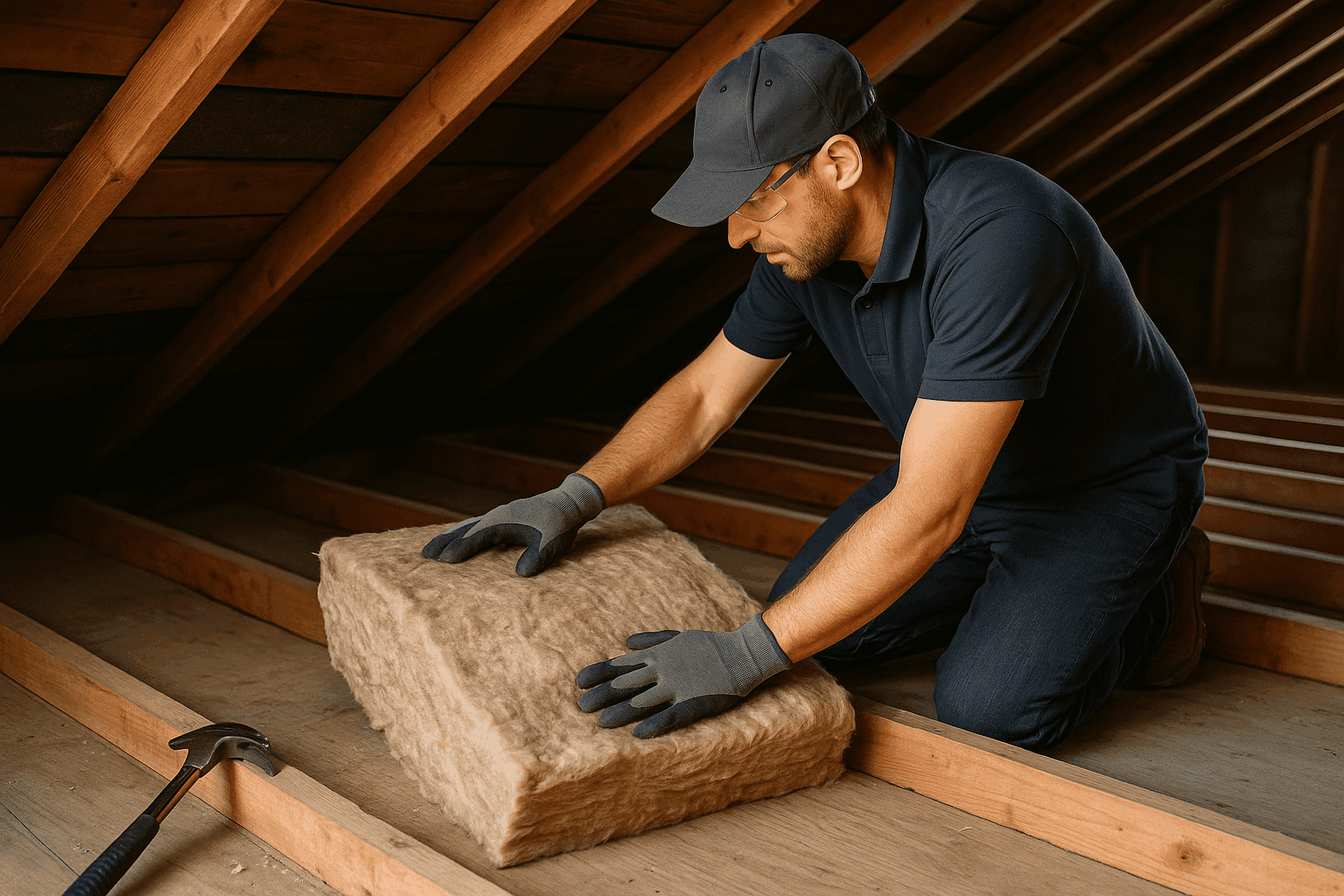
Is your home or business feeling drafty in winter and stuffy in summer? You’re not alone. Many property owners struggle with indoor comfort and high energy bills, often without realizing the culprit is right above their heads—the roof insulation.
At T and C Roofing, we’ve seen how the right insulation can transform a space. It’s not just about saving money (though that’s a big perk). It’s about creating a comfortable, healthy place to live or work—no matter what the weather throws at you.
Why Roof Insulation Matters
Think of your roof as a hat for your building. Without the right hat, you lose heat in winter and gain it in summer. Insulation acts like the lining inside that hat, keeping the temperature steady inside and the outdoor elements where they belong.
Proper roof insulation:
- Reduces heating and cooling costs
- Minimizes indoor temperature swings
- Helps prevent moisture issues and mold
- Extends the life of your roof
According to the U.S. Department of Energy, homeowners can save up to 15% on heating and cooling by adding insulation in attics and roofs. That’s money that stays in your pocket, not floating up and out.
Common Types of Roof Insulation (and How to Choose)
Not all insulation is created equal. Each type has its own strengths, price points, and best-fit scenarios. Here’s what you need to know:
Fiberglass Batt Insulation
This is the pink, fluffy stuff you’ve probably seen before. It’s affordable and widely available.
Pros:
- Cost-effective
- Easy to install in open attics
- Fire-resistant
Cons:
- Can leave gaps if not installed correctly
- Loses effectiveness if compressed or wet
Best for: Attics with standard joist spacing and minimal obstructions.
Spray Foam Insulation
Spray foam expands to fill every nook and cranny, sealing air leaks as it goes.
Pros:
- Excellent air sealing
- High insulation value (R-value)
- Deters pests and moisture
Cons:
- Higher upfront cost
- Must be installed by professionals
Best for: Complex roof shapes, tight spaces, or when maximum energy savings are a priority.
Cellulose Insulation
Made from recycled paper, blown in to fill gaps.
Pros:
- Eco-friendly
- Good at filling irregular spaces
- Fire-retardant additives
Cons:
- Can settle over time, reducing effectiveness
- Sensitive to moisture
Best for: Older homes, or when sustainability is a top concern.
Rigid Foam Board
Sturdy panels that provide high insulation in a thin profile.
Pros:
- High R-value per inch
- Moisture resistant
- Good for flat roofs and exterior applications
Cons:
- More expensive than batts
- Installation can be tricky around obstructions
Best for: Flat roofs, commercial buildings, or when space is tight.
Seasonal Benefits: Insulation Year-Round
Insulation isn’t just a winter warrior. It works all year, like a thermal thermos for your building.
- Winter: Keeps warm air from escaping, so your heater works less.
- Summer: Blocks outdoor heat from sneaking in, easing the load on your AC.
- Storms: Helps prevent sudden temperature changes that can stress your roof structure.
If you’ve ever felt your home turn into an oven on a sunny day or noticed your heater running non-stop during cold snaps, insulation could be the missing piece.
Quick Safety Checklist Before You Start 🛑
Before tackling any insulation work, safety comes first. Here’s what to keep in mind:
- Wear protective gear: gloves, goggles, and a mask.
- Check for exposed wiring or pests in the attic.
- Watch your step—never walk between joists.
- Make sure the area is dry and free from leaks.
- Know where recessed lights and vents are to avoid fire hazards.
Refer to OSHA guidelines for working in attics and handling insulation materials safely.
DIY vs. Call a Pro
Some insulation projects look simple. But what you see isn’t always what you get.
DIY may work if:
- The space is easy to access.
- You’re adding batts to an open attic.
- No electrical or structural hazards are present.
Call a professional if:
- You’re dealing with spray foam or rigid board.
- There’s evidence of water damage, mold, or pests.
- Your roof has complex angles or limited access.
- You want to maximize energy savings and code compliance.
Roof insulation is not a one-size-fits-all job. A professional assessment can spot hidden issues and recommend the best solution for your property.
What Pros Do On Arrival
When T and C Roofing arrives, here’s what to expect:
- Inspection: We check your current insulation, look for gaps, moisture, or damage, and assess ventilation.
- Thermal Imaging: Sometimes we use infrared cameras to spot cold or hot spots invisible to the naked eye.
- Material Recommendation: Based on your roof type, budget, and goals.
- Installation: Safe, code-compliant, and thorough—making sure every inch is covered.
- Cleanup: We leave your space tidy and ready for comfort.
We follow recommendations from sources like the International Residential Code (IRC) and Energy Star guidelines.
Prevention & Maintenance Tips
Insulation isn’t “set it and forget it.” Like a car, it needs a little attention now and then.
- Inspect your attic or roof insulation once a year.
- Watch for signs of moisture, mold, or pest activity.
- Keep vents clear to prevent moisture buildup.
- After storms or roof repairs, double-check insulation condition.
- Upgrade insulation if it looks thin, patchy, or damaged.
Regular maintenance can extend the life of your roof and insulation, and help avoid emergency roofing situations down the line.
Costs & Time Factors
Insulation costs depend on:
- Material type (fiberglass is less expensive, spray foam is pricier)
- Roof size and complexity
- Accessibility
- Professional vs. DIY installation
Time: Most residential insulation jobs take a day or two. Larger or more complex commercial jobs can take longer.
Tip: Investing in quality insulation pays for itself over time through lower energy bills.
When It’s an Emergency
Sometimes, insulation can’t wait. If you experience:
- Sudden leaks after a storm
- Water-damaged insulation
- Rapid temperature swings indoors
- Mold or a musty smell from the attic
It’s time to call for emergency roofing services. Damaged insulation can quickly lead to bigger problems—like structural rot or health hazards.
FAQ: Roof Insulation and Energy Savings
How do I know if my insulation needs upgrading?
If your home feels drafty, your energy bills are rising, or you see exposed joists in the attic, it’s time for an upgrade. The U.S. Department of Energy recommends a minimum R-value based on your climate zone—check your current levels against these standards.
Can I add new insulation over old insulation?
Usually, yes—as long as the old insulation is dry and free from mold or pests. Mixing types is common, but always check for compatibility.
How does insulation work with roof ventilation?
Insulation keeps heat in or out, while ventilation lets moisture escape. Both are needed to prevent condensation, mold, and roof damage. Think of insulation and ventilation as teammates—one keeps you comfortable, the other keeps your roof healthy.
What if my building has a flat roof?
Flat roofs often need rigid foam board or spray foam for best results. These materials resist moisture and provide high insulation in a thin profile.
Special Considerations for Roof Insulation
- Fire Safety: Keep insulation away from heat sources and follow local fire codes.
- Eco-Friendly Options: Choose recycled or natural materials if sustainability matters to you.
- Structural Concerns: If your roof is older or has seen storm damage, get a structural inspection before adding insulation.
- Building Codes: Always check that your insulation meets current building code requirements.
Insulation is one of the smartest investments you can make for your property. It pays off in comfort, savings, and peace of mind—year after year.
Call T and C Roofing now — or reach us anytime at 878-483-9143 .