How to Identify and Fix Roof Flashing Problems Before They Cause Leaks
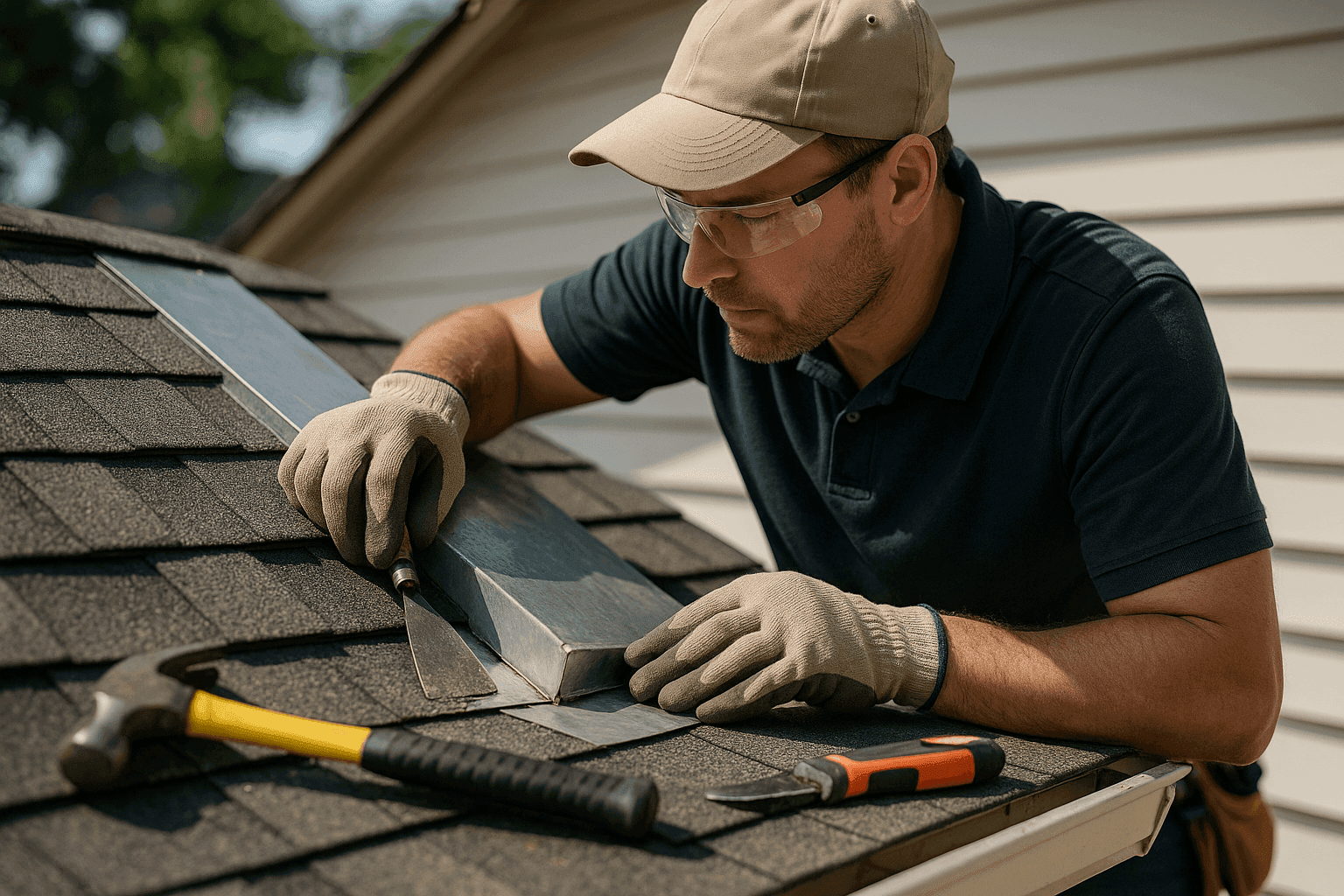
Ever heard the drip-drip-drip of a hidden leak? It’s a sound that can send a chill down any homeowner’s spine. The good news: most leaks start small, and you can often stop them before they turn into a waterfall in your living room.
At T and C Roofing, we know roof flashing is one of the most overlooked—yet critical—parts of your roof. Let’s walk through how to spot trouble early, what you can fix yourself, and when it’s time to call for emergency roofing help.
What Is Roof Flashing—and Why Does It Matter?
Think of roof flashing as the raincoat for your home. It’s the thin metal (or sometimes plastic) strips that cover joints and edges—places where water loves to sneak in. You’ll find flashing around chimneys, skylights, vents, and where roof planes meet walls.
If flashing fails, water doesn’t just drip down. It can seep into insulation, rot wood, and even cause structural problems. That’s why keeping flashing in good shape is vital for every homeowner and small business owner.
Signs Your Roof Flashing Needs Attention 🧐
You don’t need a ladder to spot every problem. Here’s what to look for, both from the ground and up close:
- Rust or corrosion: Metal flashing should shine, not flake or turn orange.
- Cracks or splits: Even tiny cracks can let water in.
- Loose or missing sections: Flashing that’s popped up or gone entirely is a red flag.
- Water stains inside: Brown spots on ceilings or walls often trace back to flashing issues.
- Moss or debris buildup: Trapped moisture can speed up damage.
If you see any of these, it’s time to act—before a small problem becomes a soaked carpet.
Quick Safety Checklist Before You Inspect
Your safety comes first. Before you climb or poke around, run through this checklist:
- Wear slip-resistant shoes or boots.
- Never go on the roof when it’s wet, icy, or windy.
- Use a sturdy, properly placed ladder.
- Have someone nearby if you’re climbing.
- Avoid stepping directly on flashing—it can bend or break.
- Don’t touch power lines or step near them.
- If you feel unsure, stay on the ground and call a professional.
Remember, a roof isn’t just another floor. It’s more like walking on a tilted balance beam—always respect the risks.
DIY Flashing Repairs: What You Can (and Can’t) Do
Some flashing fixes are within reach for a careful homeowner. Others need a pro’s touch. Here’s how to tell the difference.
Simple DIY Repairs
- Seal small cracks: Use roofing caulk or sealant. Clean the area, then apply a bead over the crack. Smooth it with a gloved finger.
- Tighten loose nails: If a section is lifting, gently tap nails back in and seal over them.
- Remove debris: Clear leaves, moss, or dirt to keep water flowing off the roof.
Repairs Best Left to Pros
- Replacing sections: If flashing is rusted through or missing, replacement involves cutting, bending, and sealing new metal.
- Flashing around chimneys or skylights: These areas are tricky and easy to get wrong.
- Major leaks: If water is pouring in, it’s time for emergency roofing services.
The golden rule: If you’re not 100% sure, don’t risk your safety—or your roof.
What T and C Roofing Pros Do When They Arrive
When you call for help, here’s what our team looks for and does:
- Thorough inspection: We check all flashing, shingles, and roof edges for hidden issues.
- Moisture mapping: Using moisture meters, we find damp spots invisible to the eye.
- Targeted repair: We remove damaged flashing, replace it with new material, and seal every edge.
- Check for code compliance: Repairs follow guidelines from the International Residential Code (IRC) and National Roofing Contractors Association (NRCA).
- Final inspection: We test for leaks and make sure your roof is watertight before leaving.
Our goal: fix the problem at its source, not just patch the symptoms.
Prevention and Maintenance: Keep Flashing Healthy
An ounce of prevention is worth a pound of buckets catching drips. Here’s how to keep flashing strong year-round:
- Inspect twice a year: Spring and fall are best. Look after big storms, too.
- Keep gutters clean: Clogged gutters overflow, soaking flashing and speeding up rust.
- Trim overhanging branches: Less debris means fewer problems.
- Check sealants: Old caulk can crack. Reapply as needed.
- Schedule professional inspections: Even if you’re handy, a pro can spot what you might miss.
By making flashing part of your regular roof routine, you’ll dodge most leaks before they start.
Costs & Time Factors: What to Expect
Roof flashing repair costs and timelines depend on the size of the problem:
- Minor repairs: Sealing small cracks or tightening nails can take under an hour and cost little in materials.
- Section replacement: Swapping out damaged flashing takes a few hours, depending on access and weather.
- Major repairs: If damage is widespread or tied to structural issues, it may take a full day or more.
Remember, catching problems early is always less expensive—think of it like fixing a leaky faucet before it floods the kitchen.
When It’s an Emergency 🚨
Some flashing problems can’t wait:
- Water pouring in during a storm
- Large sections of flashing blown off by wind
- Signs of mold, sagging ceilings, or electrical hazards
If you see these, don’t wait. Emergency roofing services can prevent much bigger headaches, from ruined drywall to electrical fires.
FAQ: Roof Flashing Problems
How long does roof flashing last?
With proper care, metal flashing can last 15–30 years. Harsh weather, poor installation, or lack of maintenance can shorten its life.
Can I use duct tape or household sealant for a quick fix?
No. Only use roofing-specific sealants. Household products can fail quickly, leading to bigger leaks.
Will insurance cover flashing repairs?
It depends on your policy and whether the damage was sudden (like from a storm) or due to neglect. Check your homeowner’s insurance details.
Is flashing repair noisy or disruptive?
Minor repairs are usually quiet and quick. Major work may involve some hammering, but most jobs are finished the same day.
Special Considerations for Roof Flashing Care
- Material matters: Aluminum, copper, and galvanized steel each have pros and cons. Some last longer but cost more.
- Climate counts: In areas with heavy rain or snow, flashing takes more abuse and may need more frequent checks.
- Eco-friendly options: Modern sealants and flashing materials can reduce environmental impact—ask about sustainable choices.
- Commercial vs. residential: Larger or flatter roofs may need specialized flashing systems.
Following guidelines from the National Roofing Contractors Association and the International Residential Code helps ensure repairs meet safety and performance standards.
Don’t let a tiny leak become a tidal wave of trouble. If you spot flashing problems—or just want peace of mind—Call T and C Roofing now — or reach us anytime at 878-483-9143 .