How to Maintain Your Roof Year-Round to Prevent Costly Repairs
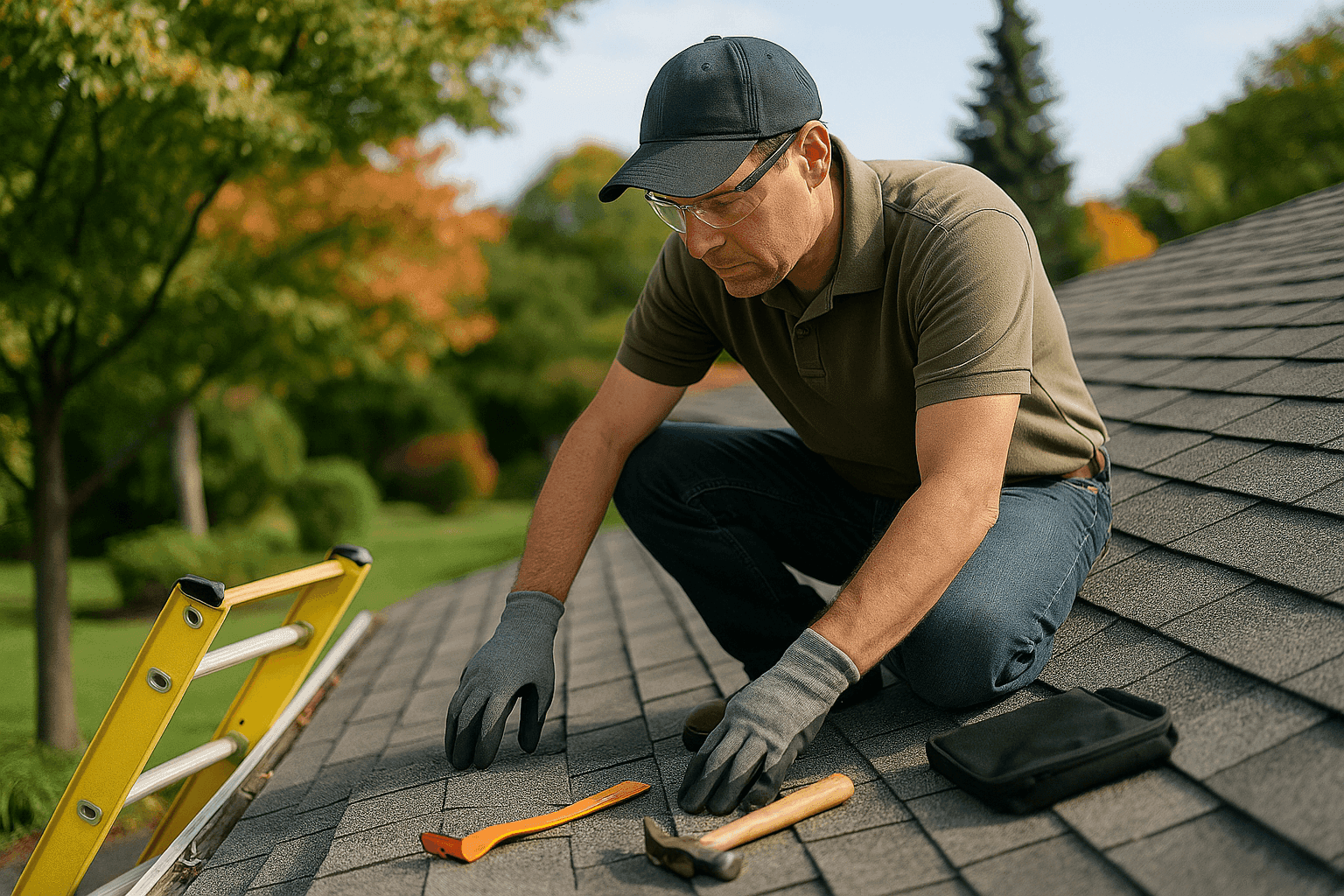
Keeping a roof over your head isn’t just an old saying—it’s a real responsibility. Your roof shields your home or business from storms, sun, and everything in between. But neglecting it? That’s how tiny drips become major headaches.
At T and C Roofing, we understand that roof maintenance can feel overwhelming. But with a little knowledge and a steady routine, you can extend your roof’s life, avoid surprise leaks, and keep emergency roofing calls to a minimum.
Why Regular Roof Maintenance Matters
Think of your roof like your car. Ignore it, and small issues multiply. Regular care helps you spot trouble early—before it empties your wallet or forces you into a last-minute scramble during a storm.
Routine maintenance:
- Extends the life of your roof
- Prevents leaks and water damage
- Protects insulation and ventilation systems
- Reduces emergency repair costs
- Maintains curb appeal and property value
Industry authorities like the National Roofing Contractors Association (NRCA) recommend at least two roof inspections per year. That’s a small step with big payoffs.
Quick Safety Checklist Before You Start 🦺
Before you climb a ladder or poke around your gutters, pause for safety. Roof maintenance isn’t worth a trip to the ER.
- Wear non-slip shoes and gloves
- Use a sturdy ladder—never stand on the top rung
- Avoid working on wet or windy days
- Let someone know you’re working outside
- Keep tools secure and away from roof edges
- Watch for power lines and overhead hazards
If you’re ever unsure, step back. Some jobs are best left to professionals with proper equipment and training.
DIY vs. Call a Pro
Some roof tasks are safe for handy homeowners. Others? Not so much.
DIY-Friendly Tasks:
- Cleaning gutters and downspouts
- Removing debris (leaves, branches) from the roof
- Checking for missing or damaged shingles from the ground
- Inspecting attic for leaks or water stains
- Applying caulk to small gaps (if you can reach safely)
Call a Pro For:
- Walking on steep, high, or slippery roofs
- Structural repairs or sagging areas
- Persistent leaks or water stains
- Damaged flashing around chimneys, vents, or skylights
- Storm, hail, or wind damage
- Emergency roofing situations
If it feels risky or you’re not sure how to fix it, don’t gamble. T and C Roofing is just a call away.
What Pros Do On Arrival
When you bring in a roofing professional, you’re not just paying for muscle. You’re getting trained eyes and years of experience.
Here’s what happens during a typical inspection or maintenance visit:
- Visual Inspection: Checking for missing, cracked, or curling shingles, loose flashing, and signs of wear.
- Attic Assessment: Looking for water stains, mold, or insulation problems.
- Gutter and Downspout Check: Clearing blockages and ensuring water flows away from the building.
- Sealant and Coating Review: Inspecting caulking, sealants, and protective coatings for cracks or gaps.
- Ventilation Evaluation: Ensuring vents are clear and working, preventing trapped moisture and heat.
- Written Report: Detailed notes on any issues, with recommended next steps.
Pros follow guidelines from groups like the Occupational Safety and Health Administration (OSHA) to ensure safe, thorough work.
Prevention & Maintenance: A Year-Round Guide
A little effort each season goes a long way. Here’s how to break it down:
Spring
- Inspect for winter damage—look for missing shingles, leaks, or sagging spots
- Clean gutters and downspouts after heavy rains
- Check attic insulation for moisture
- Trim tree branches away from the roof
Summer ☀️
- Look for signs of sun damage: faded, cracked, or blistered shingles
- Check for loose flashing or vent covers
- Remove debris from flat roofs and valleys
- Inspect skylights and seals
Fall
- Clear gutters of fallen leaves and twigs
- Look for moss or algae growth—these hold moisture and can damage shingles
- Inspect roof edges and flashing before winter storms
- Ensure attic vents aren’t blocked
Winter
- Watch for ice dams at roof edges (call a pro if you see icicles forming)
- Check attic for condensation or frost
- Remove heavy snow buildup with a roof rake (from the ground)
- Inspect after storms for wind or hail damage
Signs of Roof Damage to Watch For
Spotting trouble early can save thousands. Keep an eye out for:
- Water stains on ceilings or walls
- Peeling paint near rooflines
- Shingle granules in gutters
- Sagging or uneven roof surfaces
- Daylight visible in the attic
- Rusted or missing flashing
- Unexplained increases in energy bills (could signal insulation or ventilation issues)
If you notice any of these, don’t wait. Small leaks can turn into major repairs overnight.
Gutter Cleaning: The Unsung Hero
Clogged gutters are like clogged arteries—they silently cause damage until it’s too late.
- Clean gutters at least twice a year, more often if you have overhanging trees
- Make sure downspouts direct water at least 3 feet away from the foundation
- Check for loose, sagging, or leaky sections
Proper gutter care prevents water from backing up under shingles or pooling around your property’s foundation.
The Role of Sealants and Coatings
Sealants and coatings act like raincoats for your roof. Over time, they crack or wear out—especially around chimneys, vents, and skylights.
- Inspect seals once a year
- Reapply as needed, especially after severe weather
- Use products that meet ASTM International standards for roofing materials
Never use generic caulk or paint. Always choose materials designed for roofing.
Ventilation & Insulation: The Invisible Protectors
Poor ventilation is like a stuffy attic in summer—it traps heat and moisture, shortening your roof’s life.
- Check that attic vents are open and unobstructed
- Make sure insulation is dry and fluffy, not damp or compressed
- Look for signs of mold or mildew
Proper airflow prevents rot, ice dams, and high energy bills.
Costs & Time Factors
Roof maintenance doesn’t have to break the bank. Most basic upkeep—like cleaning gutters or inspecting for damage—can be done in a few hours.
- Time: Most seasonal checks take 1–3 hours
- Cost: Materials like sealant or replacement shingles are affordable; professional inspections or repairs vary by roof size and condition
- Long-term savings: Regular maintenance can delay or avoid a full roof replacement, which is a major investment
Remember, putting off small fixes today often leads to bigger expenses tomorrow.
When It’s an Emergency 🛑
Sometimes, trouble strikes fast. A tree falls. A storm tears off shingles. Water starts pouring in.
What to do:
- Stay safe—don’t climb on a damaged roof
- Move valuables away from leaks
- Catch drips with buckets or tarps
- Call T and C Roofing for emergency roofing services
We respond quickly to minimize damage and secure your property. In the meantime, keep everyone indoors and away from hazards.
Frequently Asked Questions
How often should I have my roof inspected?
Twice a year is standard—once in spring and once in fall. After major storms, it’s wise to check for new damage.
Can I walk on my own roof?
Only if it’s safe, the pitch is gentle, and you’re comfortable with heights. Otherwise, leave it to professionals.
What’s the best way to spot a roof leak?
Look for water stains on ceilings, damp insulation, or musty smells in the attic. During rain, check for drips or wet spots.
Are eco-friendly roofing options worth it?
Absolutely. Modern materials offer durability and energy savings. Ask about cool roofs, recycled shingles, and reflective coatings.
Special Considerations for Roof Maintenance
Every roof is unique. Flat roofs, metal, tile, and shingle roofs all have different needs. Commercial buildings may require more frequent inspections, especially if they have skylights, HVAC units, or complex drainage systems.
Don’t forget about chimney flashing, cap services, and deck maintenance. Even small details make a big difference over time.
For new construction or roof replacement, proper installation is key—always choose certified, insured professionals who follow manufacturer and building code guidelines.
Stay ahead of roof troubles and protect your investment. Call T and C Roofing now — or reach us anytime at 878-483-9143 .