How to Prepare Your Roof for Severe Weather: A Homeowner’s Guide
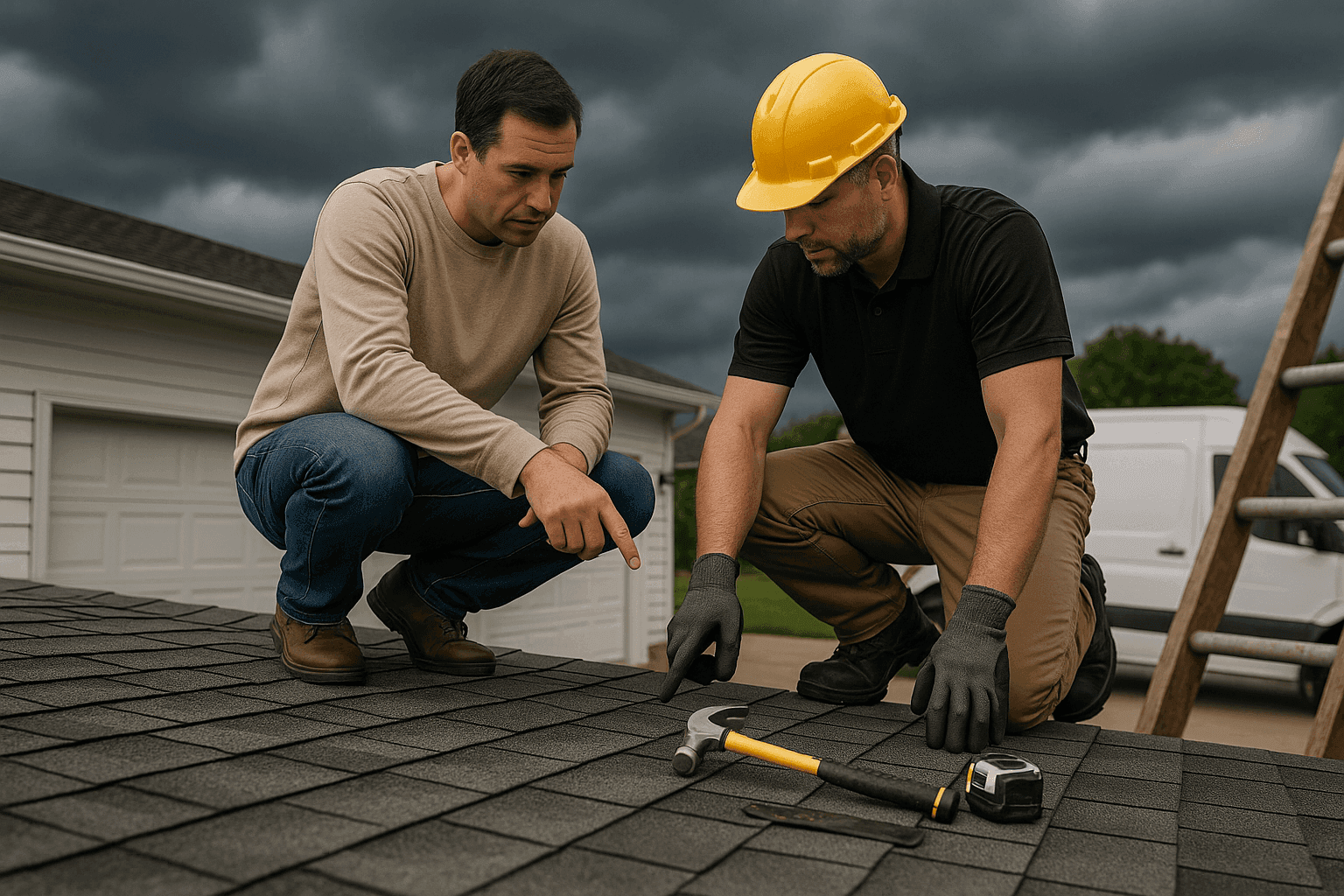
When the skies darken and the wind begins to howl, your roof stands as the shield between your family or business and the storm. It’s easy to forget about it—until water starts dripping or shingles go flying.
At T and C Roofing, we know that a little preparation can make all the difference. Severe weather doesn’t wait, and neither should you. Here’s your guide to getting your roof storm-ready—no jargon, just real steps you can take.
Why Early Roof Inspections Matter
Think of your roof like a helmet. You wouldn’t ride a bike with a cracked helmet, right? Regular inspections help spot weak spots before they turn into leaks or bigger problems.
What should you look for?
- Missing, cracked, or curling shingles
- Rusted or loose flashing around chimneys, skylights, and vents
- Sagging spots or soft decking underfoot
- Blocked or damaged gutters and downspouts
- Signs of mold, rot, or water stains in your attic
A thorough inspection—ideally twice a year, and always before storm season—can catch small issues before they become costly emergencies. The National Roofing Contractors Association recommends inspections in the spring and fall.
Preventative Maintenance: Your Roof’s Best Defense 🛡️
A little upkeep now can save you a world of trouble later. Here’s how to give your roof the TLC it needs:
1. Clean Gutters and Downspouts
Leaves, twigs, and debris can block water flow, sending it under your shingles or siding. Clean gutters and check downspouts for clogs. Make sure water flows away from your foundation.
2. Apply Sealants and Coatings
Check for cracked or worn sealant around flashing, vents, and skylights. Reseal as needed. Consider professional-grade coatings for extra waterproofing—especially on flat or low-slope roofs.
3. Inspect Ventilation and Insulation
Proper attic ventilation and insulation prevent ice dams and moisture buildup. Look for damp insulation or signs of condensation. Replace or add insulation if needed.
4. Schedule Preventative Maintenance
Annual maintenance by a roofing professional can extend your roof’s life and catch problems early. Ask about eco-friendly options if you want to reduce your environmental footprint.
Reinforcing Vulnerable Roofing Elements
Storms look for the weak link. Don’t give them one.
Flashing
Flashing is the metal guard that keeps water out at roof joints. Loose or rusted flashing is a common source of leaks. Tighten or replace as needed.
Shingles and Tiles
Replace cracked, missing, or loose shingles and tiles. Secure any that are lifting at the edges. For metal roofs, check for loose fasteners or panels.
Decking
If your roof feels spongy underfoot, the decking may be compromised. This is a job for a professional—structural repairs are not DIY territory.
Skylights and Chimney Caps
Ensure skylights are sealed and glass is intact. Chimney caps should be secure and rust-free, keeping out rain and debris.
Emergency Readiness: Quick Tips for Storm Prep
When a storm is on the horizon, time is short. Here’s how to get your roof ready in a hurry:
- Secure loose items on the roof (vents, satellite dishes, solar panels)
- Remove nearby branches or debris that could strike the roof
- Use roofing tarps or temporary patching materials for known weak spots
- Double-check attic and crawlspace for leaks or daylight showing through
- Have emergency roofing supplies (tarps, nails, sealant) on hand
Remember: Safety first. Never get on the roof in high winds or during a storm.
Signs of Storm Damage: What to Watch For Afterward
After the weather clears, don’t assume all is well. Walk around your property and look for:
- Missing, broken, or dented shingles/tiles
- Granules from shingles collecting in gutters
- Bent, detached, or overflowing gutters and downspouts
- Water stains on ceilings or walls inside your home
- Damp insulation or musty smells in the attic
- Visible gaps or bent flashing
If you spot these, it’s time to call for a professional inspection. Some damage is hidden and can worsen over time.
Quick Safety Checklist for Homeowners 📝
- Inspect from the ground—binoculars work great
- Use a sturdy ladder if you must go up (never in wet, windy, or icy conditions)
- Wear non-slip shoes and gloves
- Stay clear of power lines and unstable surfaces
- Don’t attempt repairs beyond your comfort or skill level
The Occupational Safety and Health Administration (OSHA) provides guidelines for safe ladder use and fall protection. Your safety is worth more than any roof.
DIY or Call a Pro?
Some maintenance is safe and simple—like gutter cleaning or checking for obvious shingle damage. But when it comes to structural repairs, leak tracing, or anything involving heights, it’s best to bring in the professionals.
A qualified roofing crew has the right tools, training, and safety gear to handle the job efficiently. Plus, they know what to look for—sometimes problems hide where you least expect.
What Roofing Pros Do On Arrival
When an emergency roofing team from T and C Roofing arrives, here’s what you can expect:
- Full visual inspection of your roof, attic, and exterior
- Identification of immediate hazards or leaks
- Temporary patching or tarping to stop active leaks
- Detailed assessment of damage and next steps
- Recommendations for repairs, replacements, or preventative upgrades
We follow industry best practices and safety standards set by organizations like the National Roofing Contractors Association and OSHA.
Prevention & Maintenance: The Long Game
Think of roof care as a marathon, not a sprint. Regular upkeep helps prevent emergencies and extends the life of your investment.
Schedule:
- Inspections: Twice a year (spring and fall)
- Gutter cleaning: At least twice a year, more if you have overhanging trees
- Sealant and flashing checks: Annually
- Professional maintenance: Annually or after major storms
Eco-friendly options: Modern sealants, cool roof coatings, and recycled materials can help reduce your carbon footprint and may lower your energy bills.
Costs & Time Factors
Roof work can vary widely in cost and time. Here’s what to expect:
- Inspections: Usually completed in 1–2 hours
- Minor repairs (shingles, flashing, sealant): A few hours to a day
- Major repairs or replacements: Several days, depending on size and complexity
- Emergency roofing services: Typically respond within hours
Remember, catching problems early is almost always less expensive than waiting for a leak or structural issue to get worse.
When It’s an Emergency
If water is pouring in, shingles are missing, or you see daylight through your attic—don’t wait. Emergency roofing services are available 24/7 for a reason. Quick action can stop further damage, protect your belongings, and keep your family or business safe.
Frequently Asked Questions
How often should I have my roof inspected?
Twice a year—once in spring, once in fall—is a good rule of thumb. Always inspect after severe storms.
What’s the most common cause of emergency roofing calls?
Leaks from damaged shingles, flashing, or clogged gutters are the usual suspects. Storms can also cause sudden structural damage.
Can I patch a roof leak myself?
Small leaks can sometimes be patched temporarily with roofing cement or a tarp. However, professional repairs are recommended for lasting results and safety.
Is preventative maintenance really worth it?
Absolutely. Regular maintenance keeps small issues from turning into big, expensive problems. It also helps your roof last longer.
Special Considerations for Your Roof
Every roof is unique. Flat roofs, tile roofs, metal roofs, and shingle roofs each have their own quirks. For example, flat roofs need extra attention to drainage and coatings. Tile roofs require careful handling to avoid breakage. Skylights, chimneys, and decking all add complexity.
If you’re unsure what your roof needs, a professional inspection can provide peace of mind and a clear plan.
Your roof is your first line of defense when severe weather strikes. Don’t leave it to chance. Take these steps to prepare, and know that emergency roofing help is just a call away.
Call T and C Roofing now — or reach us anytime at 878-483-9143 .