Winter Roof Protection: Prevent Ice Dams, Leaks & Storm Damage
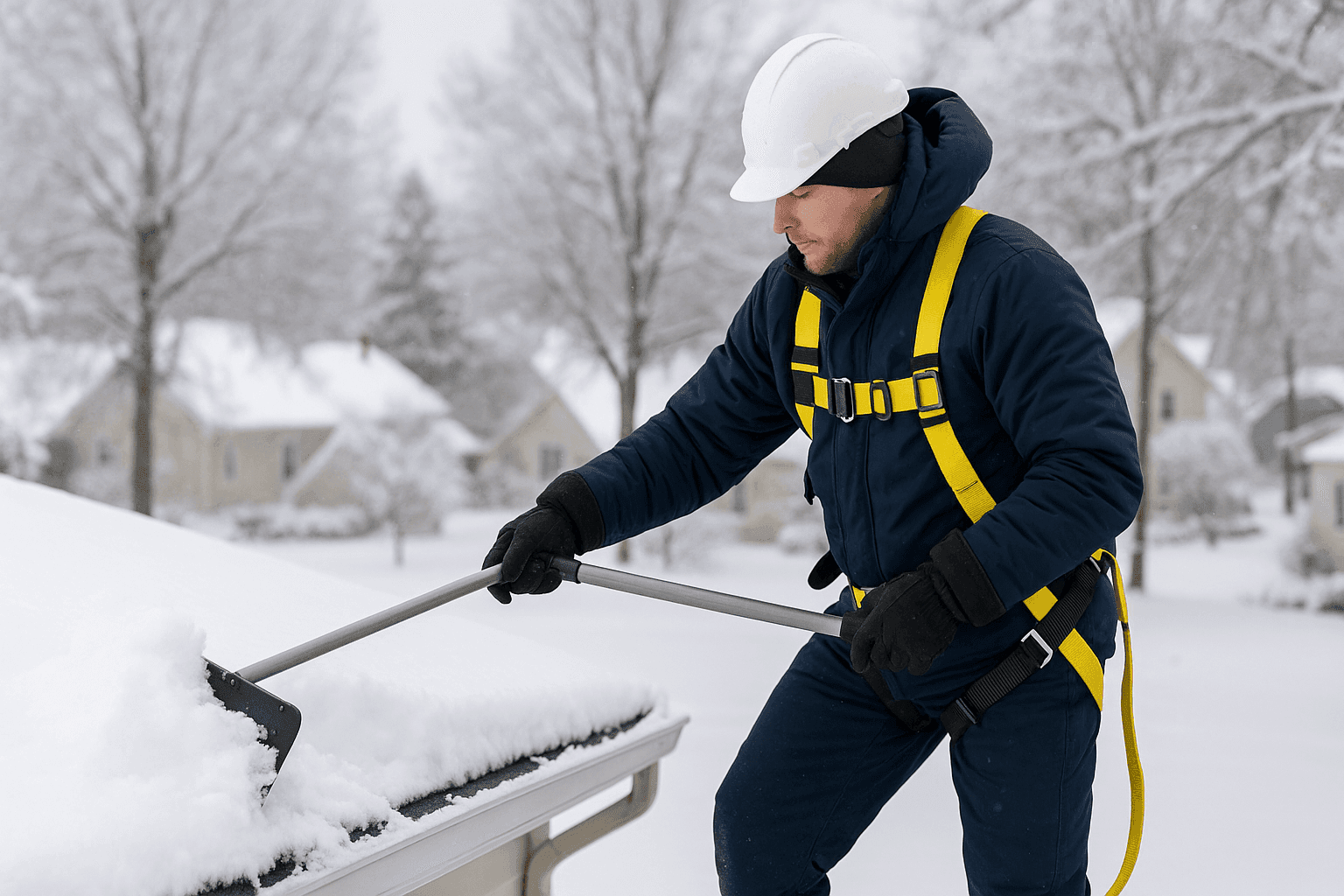
Winter can sneak up on your roof like a fox in fresh snow—quiet, relentless, and often unseen until the damage is done. Nights get colder, storms get wilder, and before you know it, water is trickling into your attic or ice is weighing down your gutters.
At T and C Roofing, we’ve seen how fast winter can turn a solid roof into an emergency. Whether you own a cozy home or a busy commercial building, a little preparation now can save you a mountain of stress (and expense) when the next storm blows in.
How Winter Damages Roofs
Roofs are like shields, but winter tests them like no other season. Imagine your shingles, flashing, and gutters battling freezing rain, heavy snow, and wild temperature swings. Here’s what’s at stake:
- Ice Dams: Snow melts, trickles to the edge, and refreezes, creating a solid wall of ice. Water backs up, sneaking under shingles.
- Leaks: Melting snow or winter rain seeps through tiny cracks, turning them into big problems.
- Storm Damage: High winds or falling branches can rip off shingles or dent metal roofing.
- Heavy Snow Loads: Like a weightlifter stacking plates, snow piles up, stressing your roof’s structure.
- Freezing and Thawing: Water gets into crevices, freezes, expands, and splits materials apart.
The result? Sudden leaks, hidden mold, or even structural damage. The National Roofing Contractors Association recommends annual inspections, but winter is when issues hit hardest.
Preventing Ice Dams 🧊
Ice dams are the silent saboteurs of winter. Stopping them means controlling heat and airflow in your attic—the heart and lungs of your roof.
Key Steps to Stop Ice Dams
- Attic Ventilation: Think of your attic as a “hat” that shouldn’t get too warm. Proper vents allow cold air in and warm air out, keeping the roof surface cold and discouraging melt.
- Insulation: Insulate the attic floor like you’d wrap up in a blanket. The U.S. Department of Energy suggests at least R-38 insulation in cold climates.
- Seal Gaps: Seal around light fixtures, pipes, and attic hatches to stop warm air from leaking up.
- De-Icing Cables: In problem spots, UL-listed heat cables can help keep edges clear—but only as a backup, not a cure-all.
- Gutter Maintenance: Clean gutters let melting snow flow away instead of freezing at the edge.
Tip: If you notice thick icicles or water stains on ceilings, it’s time to act.
Snow Removal Safety
Snow looks gentle, but it’s heavy and risky up high. Removing it wrong can be dangerous for you and your roof.
Safety First Checklist
- Stay on the Ground: Use a roof rake with an extension pole—never climb a snowy roof.
- Watch for Power Lines: Stay clear of wires and avoid metal tools near electricity.
- Work with a Partner: Someone should spot you or call for help if needed.
- Don’t Overdo It: Remove the top layer of snow. Leave a thin coating to protect shingles.
- Dress for the Cold: Wear boots with grip, warm gloves, and eye protection.
According to OSHA, falls are the leading winter roofing hazard. The safest route? Leave steep or icy roofs to professionals with the right safety gear.
Winterizing Your Roof
Think of winterizing as putting your roof in “defense mode.” Every roof is different, but some steps work everywhere.
Essential Winter Prep
- Inspect Before Snow: Look for cracked shingles, loose flashing, and signs of sagging or leaks.
- Sealants & Coatings: Apply cold-weather roof sealants to vulnerable areas.
- Check Gutters & Downspouts: Clear out leaves and debris—clogged gutters trap ice.
- Upgrade Ventilation: Add or adjust vents to balance attic airflow.
- Trim Branches: Cut back limbs that could snap under snow and crash onto your roof.
- Schedule Professional Inspections: A trained eye can catch trouble you might miss.
For commercial properties, inspect flat roofs for ponding water or membrane cracks. Residential owners should check attic insulation and air leaks.
Emergency Prep for Winter Storms ⚡
When storms hit, minutes matter. A little preparation can turn chaos into calm.
What to Have Ready
- Emergency Roofing Contacts: Save the number for emergency roofing near you.
- Tarp & Patch Kit: Heavy-duty plastic sheeting and duct tape can buy you time.
- Flashlights & Batteries: Power outages happen—don’t get caught in the dark.
- Buckets & Towels: For catching drips until repairs arrive.
- Camera or Phone: Take photos for insurance claims.
When a leak or collapse happens, evacuate the area below, turn off electricity if water is near wires, and call for emergency help. The International Building Code recommends immediate action to prevent further structural damage.
DIY or Call a Pro?
Some winter roofing tasks are safe for handy homeowners. Others? Not so much.
When You Can DIY
- Raking snow from the ground.
- Cleaning out gutters before snow falls.
- Checking for frost or stains in the attic.
When to Call T and C Roofing
- Ice dams or leaks you can’t stop.
- Sagging roof or major storm damage.
- Chimney flashing issues.
- Skylight leaks or broken shingles.
- Any work requiring a ladder or walking on a roof in icy weather.
Professional crews have safety harnesses, specialized tools, and know-how to spot problems you might miss.
What Pros Do When They Arrive
Every emergency is unique, but here’s what you can expect from a seasoned roofing team:
- Rapid Assessment: Visual and hands-on check of roof, attic, and exterior.
- Temporary Protection: Install tarps, patch leaks, and secure loose materials.
- Ice Dam Removal: Use steamers or safe removal techniques—never chipping with sharp tools.
- Clear Gutters & Downspouts: Ensure water can drain away.
- Document Damage: Photograph and record for insurance.
- Detailed Plan: Explain repairs, materials, and timeframes.
For businesses, pros also assess for OSHA safety compliance and minimize downtime.
Prevention & Maintenance
Winter roofing isn’t just about emergencies. Regular care builds resilience.
Your Winter Roof Checklist
- Inspect attic for proper insulation and ventilation.
- Clean gutters before first snowfall.
- Check flashing around chimneys, skylights, and vents.
- Replace worn shingles or cracked tiles.
- Test de-icing cables if you use them.
- Schedule a professional inspection—ideally before and after winter.
Preventative maintenance is your best shield against surprise repairs.
Costs & Time Factors
Roof repairs in winter can be more complex—and sometimes pricier—than in summer. Why?
- Access Issues: Snow and ice slow down work.
- Material Costs: Cold-weather adhesives and special tools may be needed.
- Emergency Calls: After-hours or storm response may have higher rates.
- Scope of Damage: Small leaks may grow quickly if ignored.
Minor leak repairs may take a few hours; major storm damage or replacement could take days, depending on weather and roof type.
When It’s an Emergency 🚨
If water is pouring in, ceilings are sagging, or you hear cracking noises, treat it as urgent. Here’s what to do:
- Evacuate if Structure Is Compromised: Safety first.
- Contain the Water: Use buckets, towels, or plastic to limit damage inside.
- Turn Off Power: If water is near wiring or lights, shut off electricity.
- Call Emergency Roofing Near You: Fast action can mean the difference between a patch and a full replacement.
Winter Roofing FAQ
How can I tell if my attic is causing ice dams?
Look for uneven snow melt on your roof, warm attic temperatures, or frost on the underside of the roof deck. Proper insulation and ventilation are key.
Is metal roofing better than shingles for snow?
Metal sheds snow faster, reducing load and ice dam risk. Shingles are more common, but both need good underlayment and flashing.
Can heavy snow collapse my roof?
While rare, extreme snow loads can cause structural failure, especially on older or flat roofs. Building codes (like the International Residential Code) set minimum load requirements—get a pro assessment if you’re concerned.
Should I remove icicles?
Small icicles are usually harmless, but large ones may signal ice dams or clogged gutters. Use caution; never break them off while standing below.
Local & Seasonal Considerations
Every winter is different. In some areas, freeze-thaw cycles are frequent; in others, one big storm does all the damage. Keep these tips in mind:
- Watch Weather Forecasts: Sudden warm-ups after heavy snow increase leak risk.
- Salt & Chemicals: Avoid using rock salt on roofs—it can damage shingles and landscaping.
- Plan Maintenance in Fall: Don’t wait for the first snow. Early prep is best.
- Commercial Roofs: Flat roofs need extra snow removal to avoid ponding and weight issues.
Whether you’re in a snowy northern state or dealing with the occasional ice storm further south, a proactive approach always pays off.
Your roof is your first defense against winter’s worst. Don’t wait for emergency roofing to become a necessity—be ready, be safe, and keep your home or business cozy and dry.
Call T and C Roofing now — or reach us anytime at 878-483-9143 .